Trust is the first feature
You can't undo an issued invoice. You can only void it. The system reports it to the tax authority, and from that point it leaves a legal trace. When I started building titkar.ai, that's where I had to begin — not with the flashy part.
The flashy part is easy: you say one sentence, the model assembles the invoice. The hard part is making that sentence safe to say. And that doesn't get decided at the end of the build.
What you build first when the cost of a mistake is real
The conversational layer is the product's face, but it wasn't built first. What came first is the part that holds up when the model is wrong.
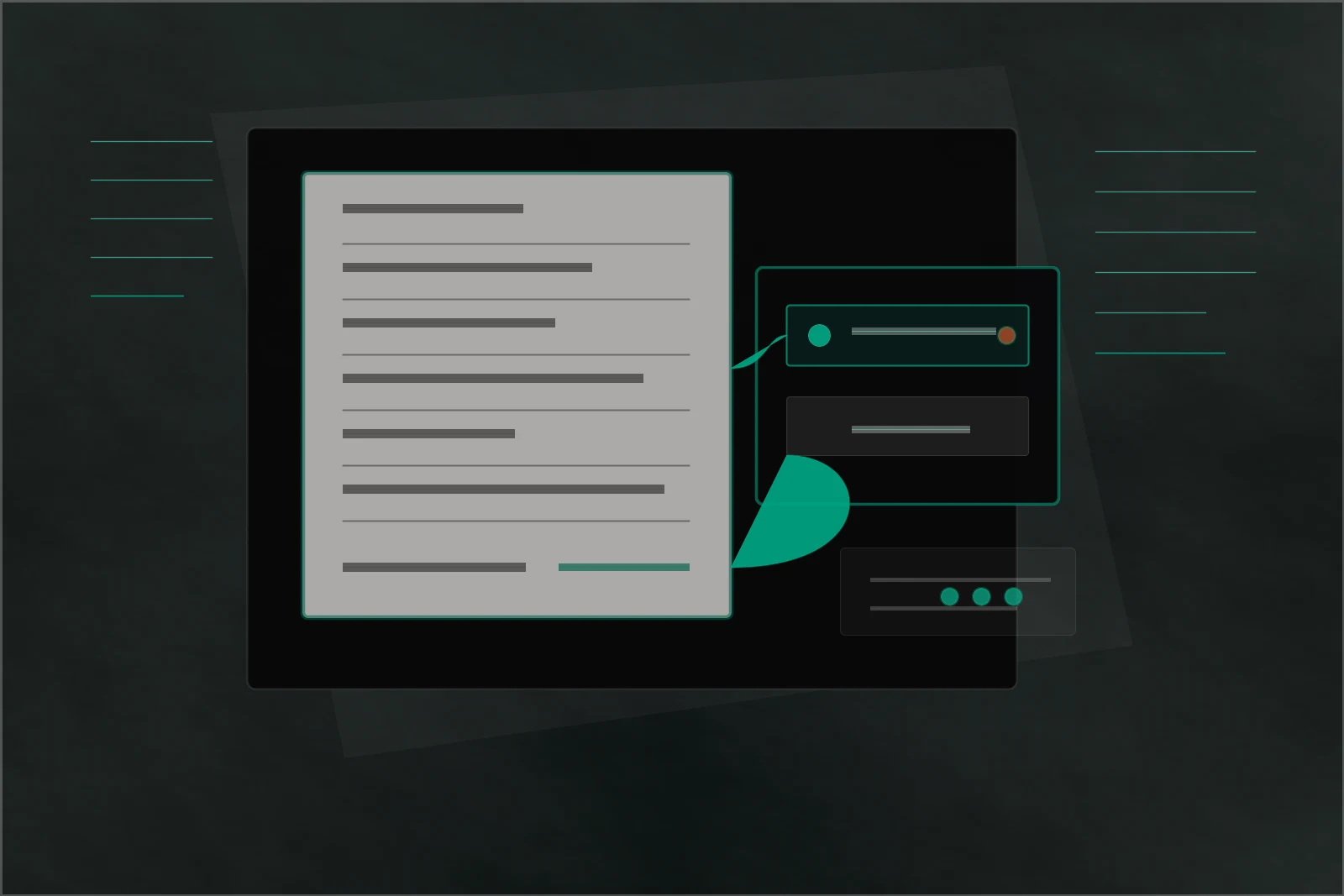
The model never produces the numbers: net, VAT, and gross are computed by deterministic code. The model's job is understanding and picking the right operation, not arithmetic. Irreversible steps — issuing, emails, reversals — aren't executed by the model; it prepares a confirmation card, and you press the button. So the worst case of a model mistake is a bad draft, not a bad invoice reported to the tax office. Test mode is the default, the bank connection is read-only, and every step stays in a log you can read back.
None of that shows up in a demo. All of it is what keeps the thing standing.
The field is arriving at the same place
What rode on model capability two years ago now rides on something else. This year the same sentence keeps surfacing: with agents the question isn't whether they're smart enough, it's whether they can be trusted — NiCE put it plainly in June. The pattern taking shape is familiar: money-moving, irreversible operations get a human confirmation; everything else runs on its own. Anthropic's computer-use guidance recommends the same for actions with real consequences.
The trap is gating everything. That kills the agent: every prompt becomes friction. The move is the short list — only the expensive or irreversible operations sit behind confirmation. The rest runs without asking.
The order is the product
For a high-stakes agent, what you build first is already a decision about positioning. It's the load-bearing wall the rest of the product hangs on.
The conversation is what you show. The trust is why it works.
There's always a next level.
If you like what you see (whether you're building a product or a team) I'd love to hear about it.